
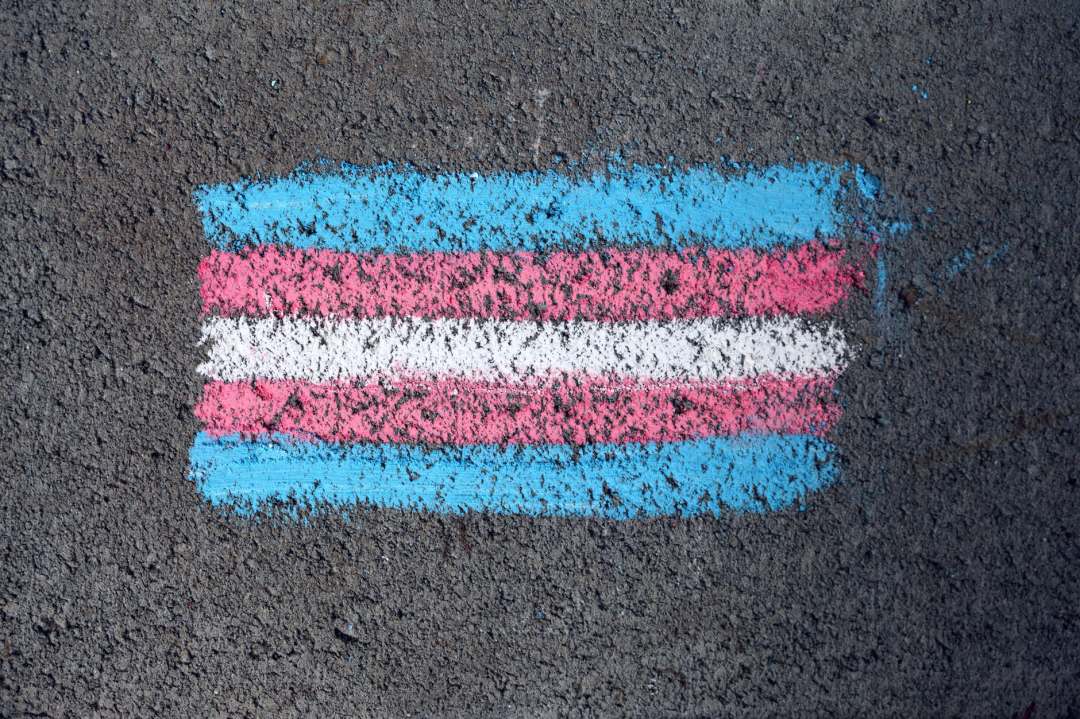
While I grew up, I didn’t really have one giant epiphany about being transmasculine. Instead, it was like small scattered tiny realizations where I decided “something is different about me”.
One of these instances was when I decided to cut my own hair as a small child. As most children would when cutting their own hair, I absolutely butchered mine. My mom told me that she would have to take me to get my hair cut properly, and that I would end up looking like a boy. My twin sister, who had also cut her hair, was devastated, screaming “I don’t want to look like a boy!” But I was rather normal about it. To me, it didn’t matter what I looked like.
Later on, in middle school, I had a friend who always pointed out that I never dressed very feminine. I always wore baggy jeans and t-shirts instead of what most female presenting people wore at that age. Again, it never mattered to me what I looked like.
I have Dissociative Identity Disorder. For the readers who may not understand what that is, it’s a disorder that, for me, was caused by prolonged trauma in early childhood, and causes me to have alters. Alters are altered states of consciousness within one mind. They can have their own names, their own gender identities, their own interests, ages, etc. Alters may play different roles, such as host, protector, and so on.
Often, systems and alters within systems are influenced by their surroundings. As someone who was raised in a christian household, I was taught that being gay and transgender was not okay. The two main hosts of my system, Alex and Alli, were influenced by these ideals. Neither knew the other existed for a really long time, because they existed parallel to each other. Alli was the host that was out primarily during elementary school. While Alex was there, he didn’t take center stage.
Even though Alli later divulged that she didn’t necessarily like showing femininity, she did it because she felt like she had no choice. She was unaware of the entire system, and had no explanations for the times when she acted more “tomboyish”. She didn’t know that Alex was there, influencing what she might wear or how she might behave. She had no idea that there was a transmasculine version of her. She didn’t even think it was okay to be masculine.
When middle school came, things shifted and Alex became the primary host while Alli took a back burner. She was still there, but she wasn’t the star of the show anymore. Friends noticed that I wasn’t wearing the same things that other girls that age wore. Alex chose to wear baggy jeans and t-shirts, and even started going by Alex instead of Alli. Time went by and while Alex was still the center of the show, Alli eventually became aware of the system, but she couldn’t communicate with Alex, she could only observe him.
Alli watched as Alex began to realize that he couldn’t be open about feeling more masculine, and she too realized that was what she had wanted. There was an internalized transphobia that came about, causing them both extreme distress and neither knew how to handle their feelings. Alli wanted to communicate with Alex, she wanted to tell him that he wasn’t alone, but she couldn’t get through to him.
Eventually, events that are not pertinent to this story led to Alli reaching Alex during a hospital stay. She said to him “Let me take care of this”, and they switched. That was when Alli became the host again and stayed the host throughout the remainder of high school. Alex was present too, but he questioned what happened in the hospital, and thus, he didn’t become truly aware of the system until the summer of 2021.
When Alex finally acknowledged what was going on, and became aware of Alli, they were both skeptical of each other. They were almost exactly alike in every way, but Alex was masculine and non-confrontational, while Alli was feminine and very confrontational. What they hadn’t realized, though, was that Alli actually didn’t want to be feminine. Her femininity was a direct result of the internalized transphobia that she had held onto for so long. When they realized that, they actually began to work very well together. They both began working through their internalized transphobia and eventually, they fused together.
When they fused, they decided to start going by Ashton. Ashton primarily went by they/them pronouns at first as he was exploring his identity more, but then he settled on going by he/they pronouns. After his fusion, Ashton felt much more comfortable with masculinity and he finally came out as transgender.
I got some mixed responses from people upon coming out, and not all of them were kind. The most common response was “how can you be transgender when you have DID?” The answer to this is simple. You don’t have to have one singular identity in order to be transgender. If someone’s assigned gender at birth doesn’t match how they want to identify, then that’s enough to make someone transgender. Most of my headmates don’t identify with my body, and that is enough.

 Multiple Multitudes